

Post-Pandemic Hygiene Awareness Raises Demand for Antibacterial Bristle Brushes
Post-Pandemic Hygiene Awareness Drives Surge in Antibacterial Bristle Brushes Demand
The global shift toward heightened hygiene consciousness in the post-pandemic era has triggered a significant uptick in demand for antibacterial bristle brushes, particularly in the beauty and personal care sector. As consumers increasingly prioritize products that minimize health risks, makeup brushes—long overlooked as potential breeding grounds for bacteria—have emerged as a focal point of this trend.
Before 2020, hygiene was often a secondary consideration for makeup brush buyers, who prioritized factors like softness, durability, and brand reputation. However, the COVID-19 pandemic reshaped consumer behavior: studies by market research firms such as Mintel reveal that 68% of beauty consumers now check product labels for "antibacterial" or "hygienic" claims, up from just 32% in 2019. This shift is driven by growing awareness that traditional makeup brushes, when not cleaned rigorously, can harbor harmful bacteria like Staphylococcus aureus and E. coli, leading to skin irritations, acne, or even infections.
To meet this demand, manufacturers are investing heavily in antibacterial bristle technology. The most prevalent innovation involves integrating antimicrobial agents directly into brush filaments during production. Silver ion-infused bristles, for example, work by disrupting bacterial cell membranes, inhibiting growth for up to 99.9% of common pathogens, according to lab tests by the Textile Research Institute. Nanop coatings, such as zinc oxide or titanium dioxide, offer another layer of protection, leveraging their ability to generate reactive oxygen species that neutralize microbes without compromising bristle softness—a critical factor for makeup application.
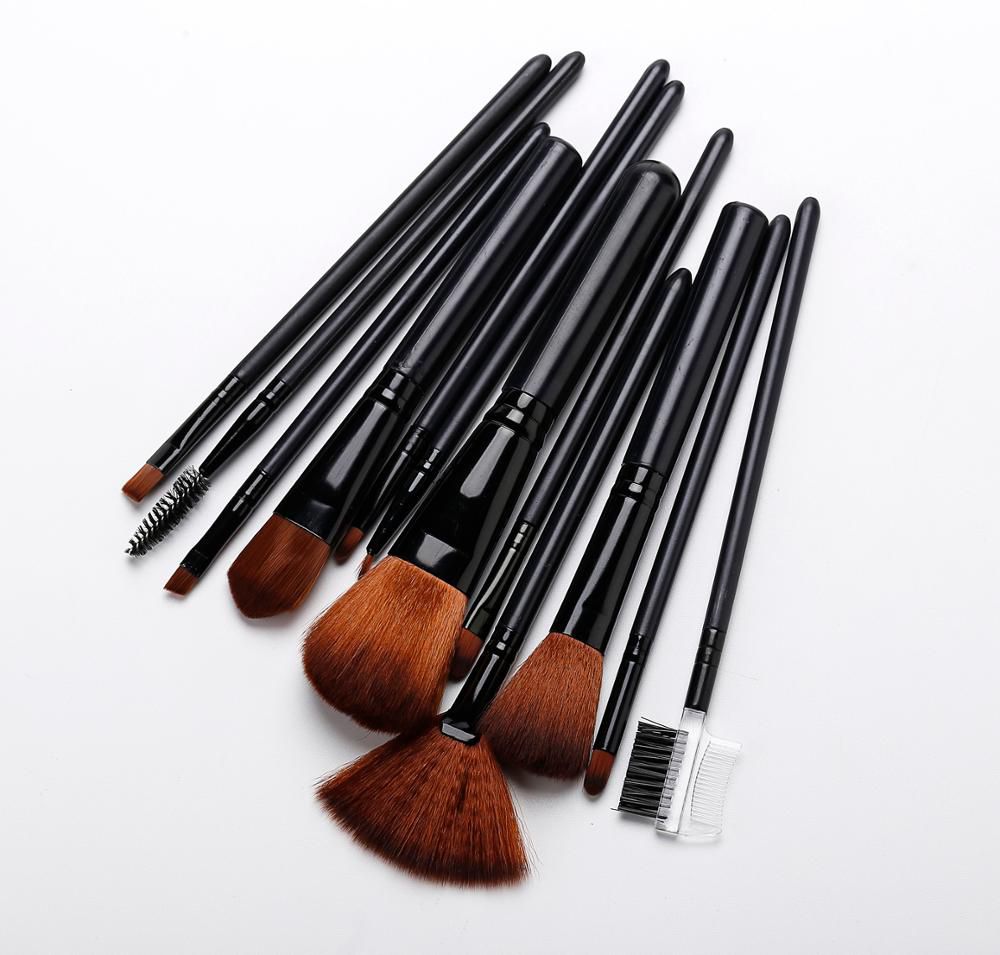
Beyond material science, production processes are also evolving. Leading manufacturers now use precision extrusion techniques to ensure uniform distribution of antimicrobial agents throughout each bristle, avoiding weak spots where bacteria might thrive. Post-production, brushes undergo third-party certifications, such as the ISO 22196 standard for antibacterial efficacy, to validate claims and build consumer trust. These advancements address a key concern: maintaining antimicrobial properties over time, even after repeated washing—a common pain point with early antibacterial products that lost effectiveness quickly.
The market response has been striking. Data from Grand View Research projects the global antibacterial makeup brush market to grow at a CAGR of 7.2% from 2023 to 2030, outpacing the overall makeup brush market’s 4.5% growth. Emerging economies, including India and Brazil, are driving much of this expansion, as rising disposable incomes and social media influence (via beauty influencers highlighting "hygiene-first" routines) fuel demand. Even in mature markets like the U.S. and Europe, brands are launching antibacterial lines as a competitive differentiator; for instance, Fenty Beauty’s 2022 "Pro Hygiene Brush Set" sold out within 48 hours of release.
This trend is not limited to beauty. Antibacterial bristles are gaining traction in other sectors, such as baby care (teething brushes) and household cleaning tools, but the beauty industry remains the primary driver due to its direct skin contact. For manufacturers, the challenge lies in balancing efficacy with sustainability: consumers now also demand eco-friendly materials, pushing R&D toward biodegradable antibacterial filaments, such as plant-based fibers infused with natural antimicrobials like tea tree oil or neem extract.
As hygiene awareness becomes ingrained in post-pandemic consumer habits, antibacterial bristle brushes are poised to transition from a niche product to a mainstream necessity. Manufacturers that prioritize innovation—whether through advanced materials, rigorous testing, or sustainable practices—will be best positioned to capitalize on this growing market. For consumers, the message is clear: in the new normal, clean beauty isn’t just about ingredients—it’s about the tools that apply them, too.


